


The health risks of bisphenol A, otherwise known as BPA, have been widely known for almost a decade. Tupperware containers, for example, have been BPA free since 2010. Still, while manufacturers have switched to alternative types of plastic in recent years, many replacements have also been shown to leach into food and drinks, disrupting the human endocrine system, impairing immunity, and increasing the risk of certain cancers, among other adverse effects.
It’s difficult to cut out plastic entirely from our everyday lives, as it’s so prominent in everything from food and drink containers, toys, toiletries, even furniture and home goods. Still, there are some simple measures to take to limit our exposure to its toxic consequences.
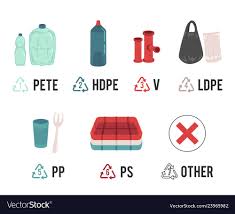
There are 7 different types of plastics, all with difference uses and different toxicity levels. All plastic consumer goods are labelled with a number indicating what type of plastic it’s made from. There are a few that should be avoided entirely, and then a few that are generally accepted as safe, if used properly.
Plastic #1 – PET
The first type of plastic, polyethylene terephtalate, or PET, is the most commonly used plastic in water and soft drink bottles, condiment bottles, and other food items. The toxicity of this plastic depends on exposure to sunlight, heat, the length of time the product is in the container, and the acidity of the product inside. If kept in a cool, dark place and consumed within a short time, the plastic is mostly safe. However, it’s clear that these aren’t the general conditions for plastic-bottled beverages and groceries. A plastic bottle of acidic apple cider vinegar for example, could spend months in a warm distributing center, and then even years in a pantry, leaching toxic levels of antimony into the vinegar long before the stated expiration date.
If your favorite almond butter comes in that plastic #1 tub, try transferring it to a glass jar once you bring it home.
Plastic #2 – HDPE
The second type of plastic, high density polyethylene, or HDPE, is one of the safest types of plastics. It’s used commonly in milk jugs, laundry and cleaning product containers, shampoo and cosmetic containers, as well as plastic furniture such as folding chairs and tables. Also, while plastic use is not eco-friendly over all, this one is more easily and efficiently recycled, making it a more friendly choice for the planet.
Plastic #3 – PVC
The third type of plastic, polyvinyl chloride, or PVC, should be avoided at all costs. It leaches numerous toxins, which increasing as the plastic ages, and is also almost impossible to recycle. Unfortunately it is common: garden hoses, plumbing, cables, air mattresses, and shower curtains. PVC-free shower curtains, hoses, airbeds, and food wrap are unfortunately more expensive, but readily available. The cost is definitely worth it for your health.
Plastic #4 – LDPE
The fourth type of plastic, low-density polyethylene, or LDPE is a plastic commonly used for grocery bags, packing material like bubble wrap, and the water-proof lining in milk and juice cartons. While this type of plastic has low levels of toxicity, contaminates the environment, choking the oceans and absolutely non-recyclable.
Plastic #5 – PP
The fifth type of plastic, polypropylene, or PP, is a strong, durable plastic that is commonly used for reusable plastic cups, and plates, kitchenware, and storage containers, including Tupperware. It is considered to have low levels of toxins. This type of plastic is usually labelled as dishwasher/microwave safe, because it does hold up best under high heat. However, plastic exposed to high heat loses its structural integrity, which then contaminates food. This applies even when the plastic has cooled.
This is an easy switch to make, simply wash Tupperware by hand and only heat food in glass or ceramic in the microwave. Better yet, switch to ceramic, glass,or metal storage containers, cutting out plastic exposure even more.
Plastic #6 – PS
The sixth type of plastic, polystyrene, or PS, is the type of plastic that styrofoam, egg cartons, and disposable cutlery is made out of. It is one of the the most toxic types of plastic. It is classified as a carcinogen, or a cancer-causing agent by the EPA, it has been shown to cause fatigue and headaches, and long-term exposure leads increases the risk of birth defects. It’s best to avoid styrofoam entirely and only use paper and/or biodegradable disposable cups/cutlery/take-out containers.
Plastic #7 – Other
While the 7th type of plastic serves as a catch-all for all “other” plastics, bisphenol A, or BPA plastics make up the majority of this category. As a documented toxin and endocrine disrupter, this type of plastic should also be avoided. It’s commonly found in canned foods and drinks, it’s important to take a look at the code at the bottom of the container, and if it says #7, to consider another option. If you must purchase food in BPA containers, transfer it to another container to reduce exposure.
Ultimately it’s impossible to completely eradicate exposure to plastics, but having an awareness of the toxicity levels can help you protect yourself.
Clara E.
Originally from upstate New York, Clara moved to Brooklyn in the spring of 2017 to finish her undergraduate degree and pursue her passions for architectural restoration, music composition, and visual art. She works as a receptionist at Element. In her free time, Clara likes to explore new neighborhoods, go to museums, and play the piano.