


The holiday season is rapidly approaching. Family tension, planning gatherings, and travel are only just a few potential stressors this time of the year. Stress can lead to numerous health conditions including insomnia, muscular tension, headaches, jaw clenching, and teeth grinding. Don’t let extra jaw tension affect the enjoyment of these upcoming holiday meals! Relax…
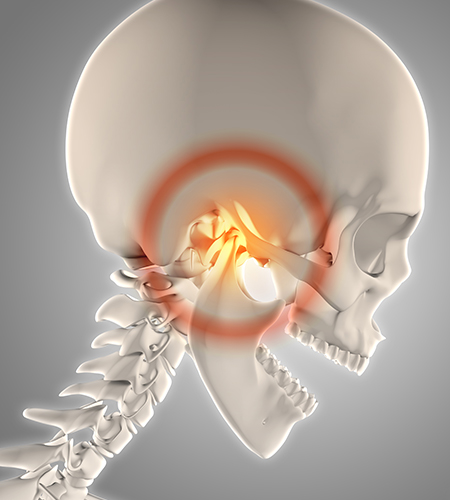
The temporomandibular joint(s) (TMJ) are the two joints connecting the lower jaw to the skull. TMJD or TMD is temporomandibular joint disorder.
This disorder (also referred to as a syndrome) refers to an array of joint related symptoms affecting the face, creating mild to severe discomfort; causing popping and clicking noises when opening and closing the mouth; leading to discomfort manifested as a dull pain at the location of the joint and reduced range of motion. It can also include earache; headache; toothache and/ or teeth grinding; face pain that worsens with chewing; ear ringing; neck, shoulder, back pain; unilateral facial swelling; muscle spasms in the face; and deviation of the jaw to one side. For some, TMD can affect quality of life, inhibiting work, sleep, and eating.
The TMJ is the most used joint in the body, opening and closing on average 1500-2000 times a day. The TMJ allows the mobility of the mouth, making it possible to open, close, move the mouth side to side, as well as allowing the lower jaw to protrude and retract. This joint, because of its many bony protuberances, can seriously be affected by trauma; teeth grinding; arthritis; poor dental alignment; and congenital defects.
This condition affects as many as 10 million people in the US population, which is 25% of the population! It affects more women than men by a ratio of 4 to 1. Researchers hypothesize there could be a hormonal component. Typically people ranging from 20 and 40 years old have a higher rate of this disorder. TMD is the second most common cause of facial pain, with toothache rating #1.
Most treatments from a western medicine perspective are conservative including rest, no gum chewing, and the use of warm or cold compresses. The dentist may also create an individualized bite guard. Anti-inflammatory drugs like ibuprofen or muscle relaxants are often prescribed. Botox may also be suggested as well as cortisone injections to help relieve pain and inflammation. Acupuncture, including trigger point work, massage, and gentle jaw exercises are common non-surgical and effective options for providing relief. Our practitioners here at Element Natural Healing Arts are well versed in treating TMD, make sure to mention it when you call so we can match you with the appropriate practitioner.
From a traditional Chinese medicine (TCM) perspective TMD can stem from an energetic or physical imbalance in the Stomach Meridian. The Small Intestine, Gallbladder, and San Jiao Meridians all pass through the TMJ area, so theoretically issues in these meridians can also contribute to TMD.
As a very quick overview, there are 7 typical patterns from a TCM perspective that can cause TMD.
1. Liver Qi Stagnation symptoms include anxiety; depression; anger; frustration; facial muscular tension; neck pain; earache; and headaches; especially on the sides of the head.
2. Local Qi and Blood Stagnation due to trauma. This may include a history of a direct impact to the jaw; bruising; swelling; facial pain; earache; tinnitus; deviation of the jaw; and limited jaw movement.
3. Wind Cold Bi. This could include pain that comes positionally, typically in an acute onset. The patient often has an aversion or strong dislike of wind or cold; a slight fever or chill; earache; ear ringing; and pain in the back of the head.
4. Hot Bi. The skin feels hot to the touch around the joint; local redness; fever; facial pain; earache; and the desire for cold liquids.
5. Damp Heat Bi. This is an acute or chronic onset of TMD. The skin feels hot around the joint,as well and numb and tingly. It can include swelling, a dull achy pain, and foggy thinking.
6. Cold Bi. The skin feels cold to the touch around the joint. This is typically an acute onset, bringing on muscle tension; stabbing pain; facial pain; headaches; spasms; an aversion to cold; pain alleviated by warmth; and pain worse in cold weather.
7. Liver and Kidney Yin Deficiency. The patient may have a joint deformity in severe cases. Typically it is a chronic onset, including irritability; insomnia; morning stiffness in the body; headaches; joint pain in other areas in the body; discomfort alleviated with exercise; ear ringing; and dry eyes.
TCM treatment protocol, including acupuncture point selection and herbs, is dependent on individual “patterns of disharmony.” These are seven typical “patterns of disharmony” for TMD. Besides anti-inflammatory herbs such as turmeric and curcumin, Juan Bi Tang is a common Chinese classical formula. This formula is used for painful obstructions caused by wind, cold, and damp pathologies in the upper body. Juan Bi Tang should not be used during pregnancy. It is best to consult with a practitioner of Oriental Medicine for more detailed herbal recommendations.
Below are a few simple self-care tactics for the treatment of TMD.
1. Avoid chewing gum.
2. Reduce or avoid daily stressors.
3. Relax the jaw as much as possible.
4. Remember to wear a bite plate or dental appliance to prevent teeth grinding.
5. Exercise the jaw gently by taking it through various range of motion movements such as opening and closing the mouth, projecting and retracting, and moving the jaw side to side.
6. Massage the jaw muscle in a circular motion at least 3 times a day for about a minute each time.
7. Apply acupressure or massage to LI4 (the area between the thumb and the index finger) to help decrease pain.
Contributor
Acupuncturist, herbalist, Maya abdominal practitioner, and reflexologist Christina Morris is the founder of Element Natural Healing Arts. Writing about health and wellness gives her an outlet to express her care and concern for her beloved community. She believes everyone can achieve better health and happiness–emotionally, physically, mentally, and spiritually.